
Industrial Solar vs Rooftop Residential: Understanding Key Differences
Industrial solar and residential rooftop installations serve fundamentally different scales. Learn about system engineering, high-voltage HT connectivity, net metering, and financial payback.
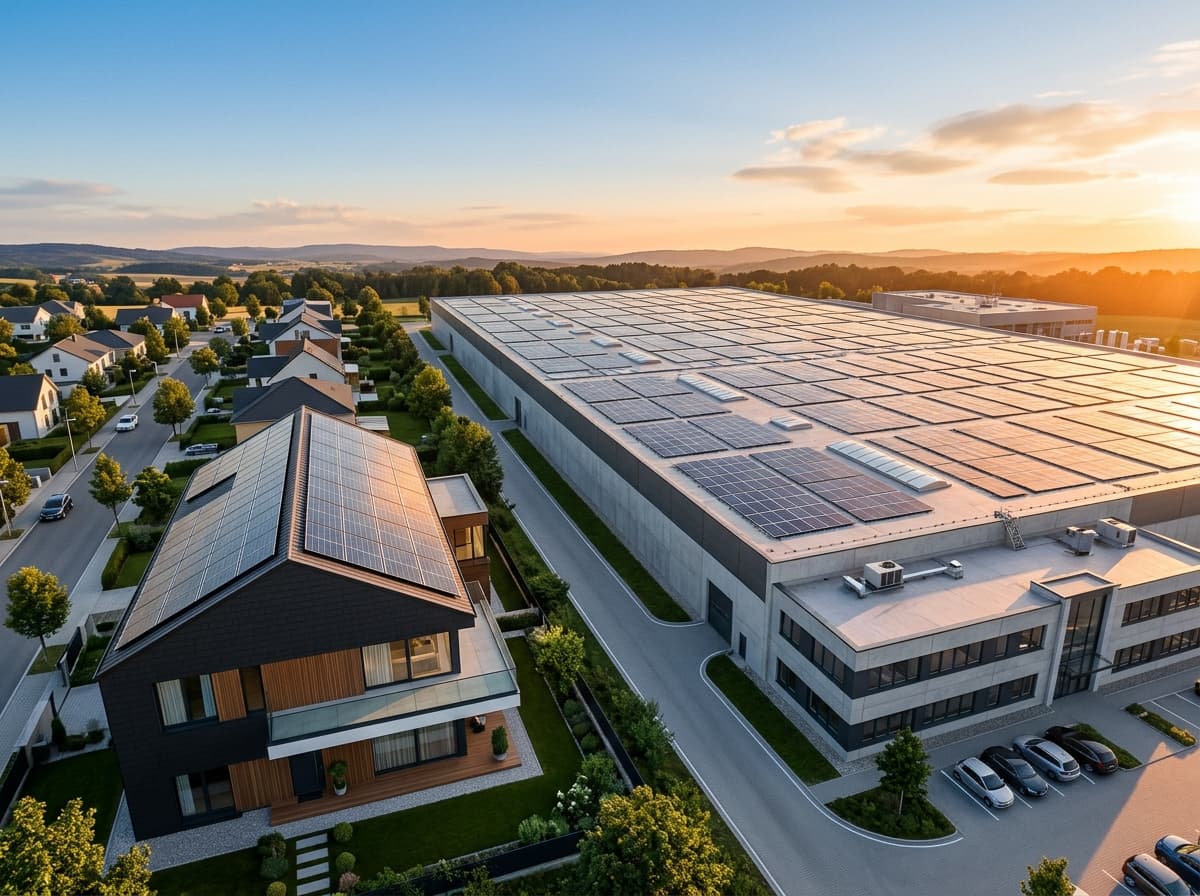
While both residential and industrial solar capture photons from the sun and convert them into clean kilowatt-hours via photovoltaic cells, their engineering architectures, scale, regulatory pathways, and return on investment operate in completely different realms.
Understanding these distinctions helps property owners, factory operators, and commercial building managers select the exact sizing, structural mounting, and financial scheme suited to their consumption.
Key Technical & Financial Distinctions
1. System Capacity & Voltage Grid Interconnection
- Residential: 3kW – 15kW, LT connection, simple bi-directional net meter.
- Industrial: 50kW – 5MW+, HT transmission, vacuum circuit breakers, dedicated step-up transformers.
2. Financial Return & Payback Duration
3. Structural Engineering & Wind Load Specifications
More Articles
3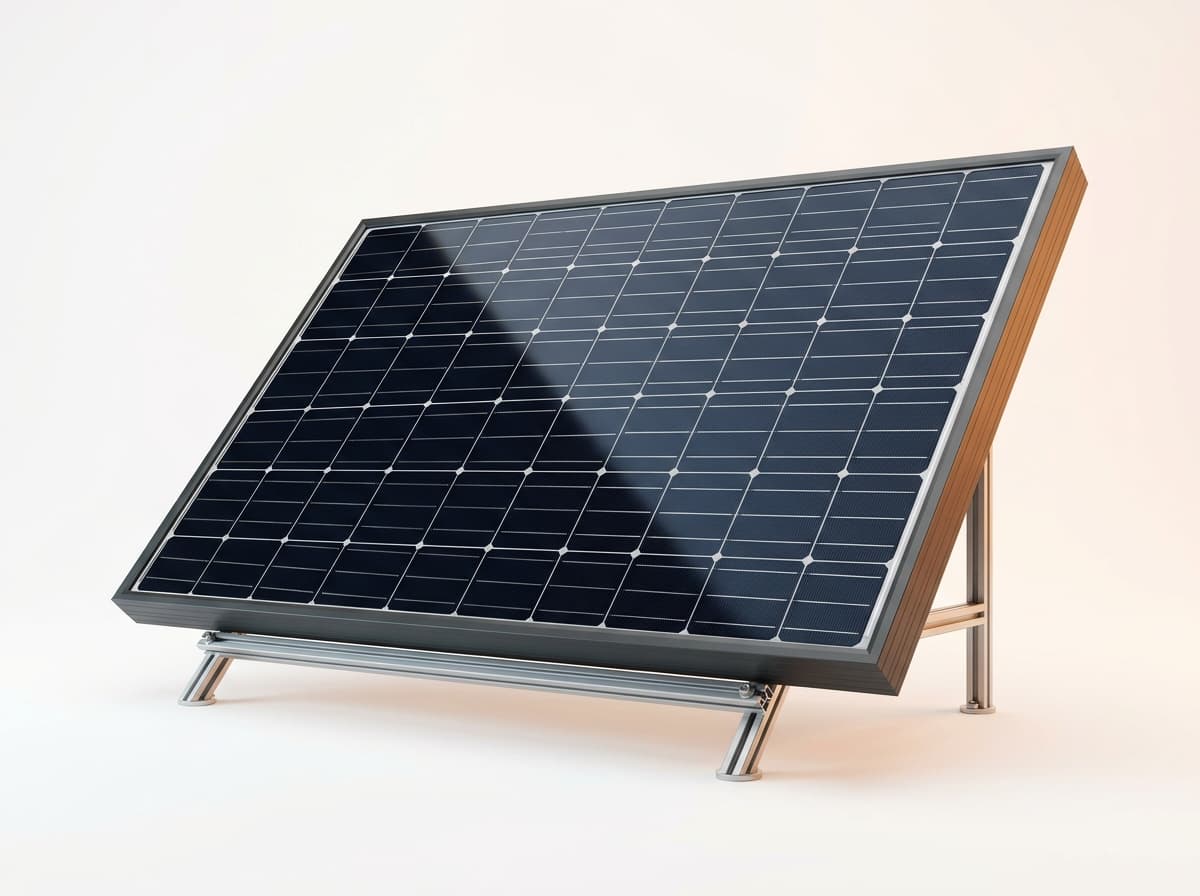
How Industrial Solar Is Used Across Different Industries
Industrial solar plays an important role in various industries, from chemical manufacturing and water treatment to textiles and detergent production. Explore its key applications, energy savings, and turnkey execution.
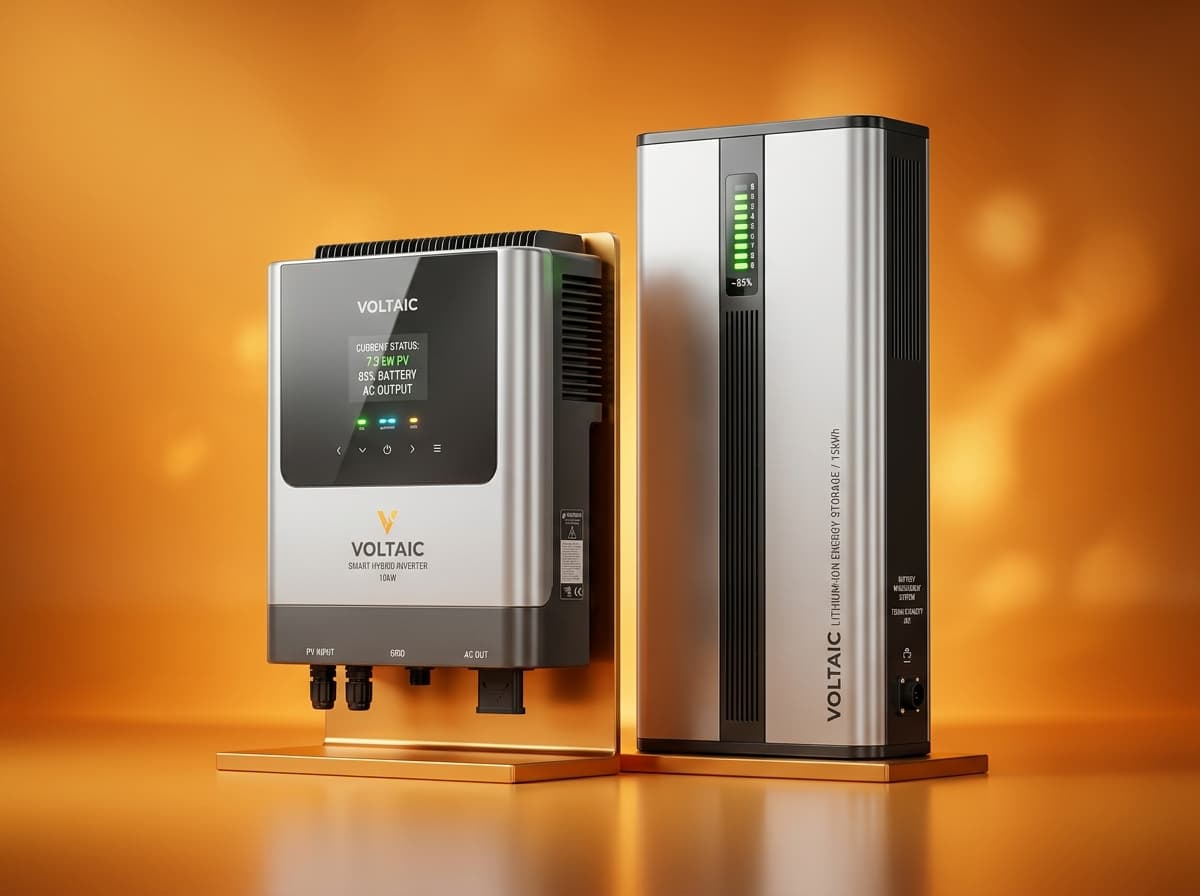
How to Choose the Right Solar EPC Manufacturer and Supplier for Bulk Installations
Choosing the right solar EPC partner and Tier-1 component supplier is essential for consistent energy yield, high uptime, and dependable 25-year warranty support.
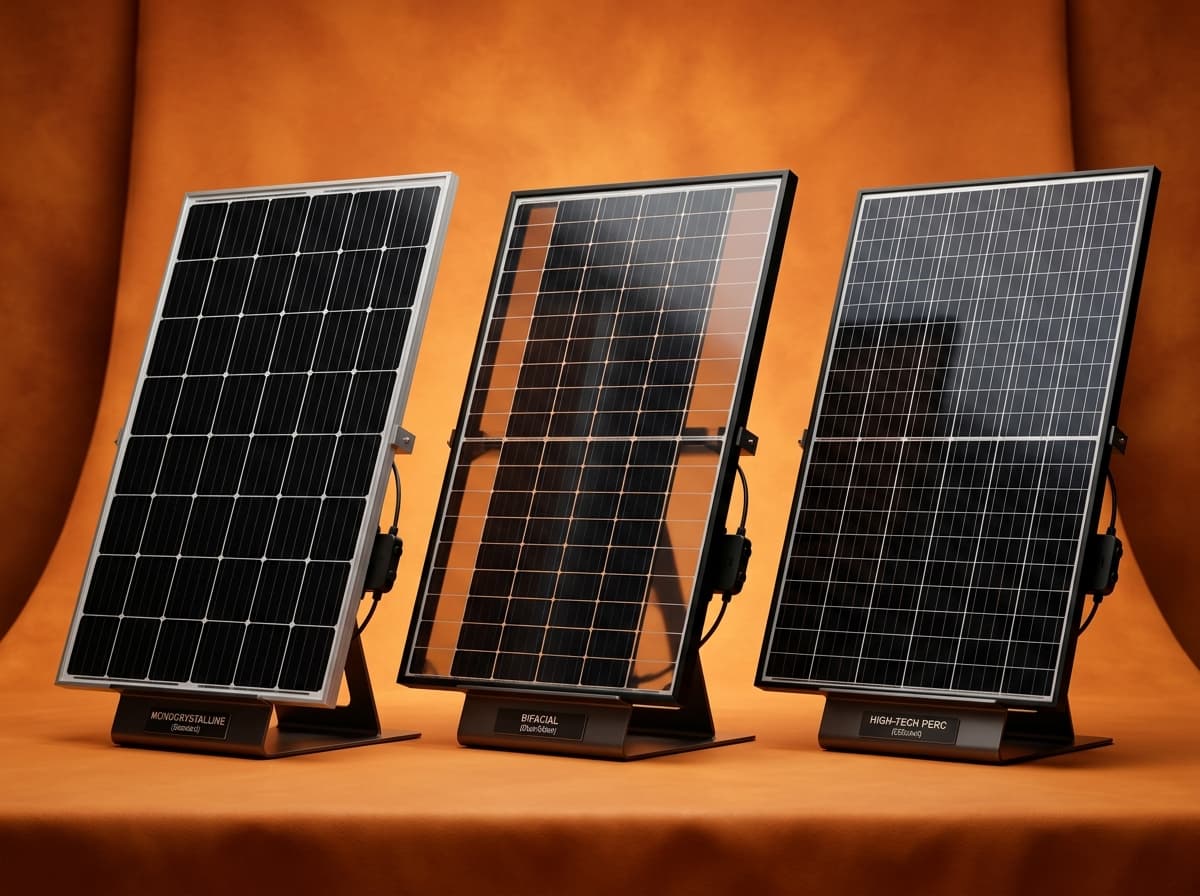
Different Types of Solar: A Complete Guide to Modern Photovoltaic Solutions
Learn about modern high-efficiency solar panel technologies, including Monocrystalline PERC, Bifacial dual-glass, and TopCon cells, their efficiency ratings, and optimal use cases.