
How Industrial Solar Is Used Across Different Industries
Industrial solar plays an important role in various industries, from chemical manufacturing and water treatment to textiles and detergent production. Explore its key applications, energy savings, and turnkey execution.
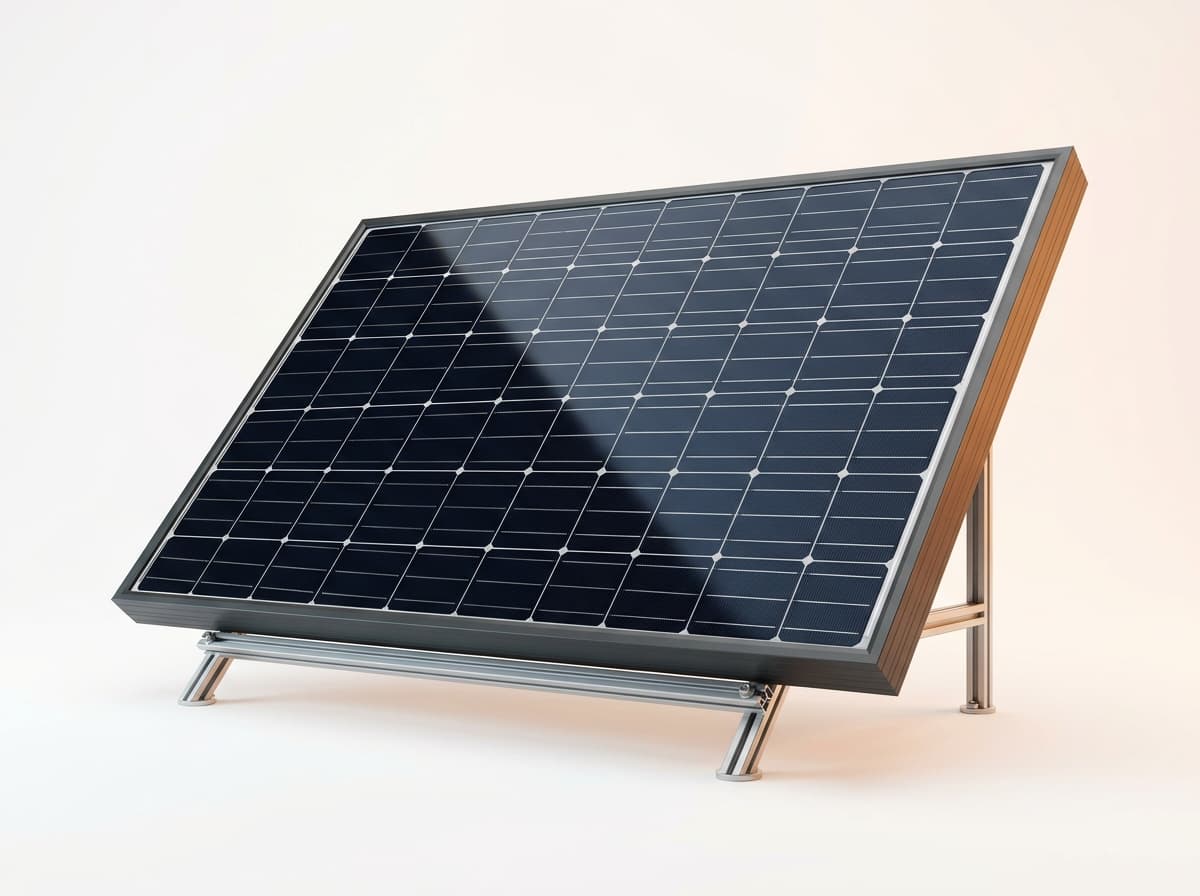
Industrial solar is a key material and energy driver in many areas of manufacturing and heavy industry. While solar is often associated with cooking and domestic residential rooftops, it has many other important uses across modern production. It powers chemical plants, process textiles, treat industrial effluent, power high-capacity cold chains, and support modern agriculture.
Industrial solar is crucial for ensuring production runs smoothly, electricity expenses stay predictable, and large-scale industrial operations remain competitive against surging utility tariffs.
As manufacturing and industrial parks expand across Rajasthan and pan-India, the need for reliable, captive, and cost-effective clean power supplies continues to rise exponentially.
Enterprises require solar power engineering tailored to their specific operational needs—matching roof load capacities, continuous high-voltage (HT) grid synchronization, peak kilowatt demands, and zero-export or open-access regulatory compliance. R-ONE Power, a premier MNRE-certified solar EPC company in India, delivers turnkey industrial solar plants that satisfy these rigorous industrial standards.
Uses of Industrial Solar Energy
1. Chemical Manufacturing & Processing Plants
- Electrolytic processes and high-load compression units operate with zero voltage sag.
- Custom heavy-gauge mounting structures resist corrosive chemical fumes.
- Substantial reduction in per-unit manufacturing cost translates to direct bottom-line margin expansion.
2. Water Treatment and Effluent Purification
- Solar water treatment pumps reduce grid dependence and diesel generator running hours.
- Prevents high-demand surge tariffs during municipal supply cycles.
- Improves industrial water recycling compliance under strict pollution control board standards.
3. Textile and Dyeing Mills
- Massive factory shed roofs convert dormant airspace into captive green power generators.
- Uniform daylight energy generation aligns perfectly with multi-shift textile manufacturing hours.
- Eligible for 40% accelerated depreciation (AD) benefits under Indian taxation laws.
4. Cold Storage and Food Processing Hubs
- Suppresses peak afternoon air conditioning and chiller plant electrical surges.
- Reduces diesel fuel consumption by up to 70% during daytime grid outages.
- Ensures reliable farm-to-table refrigeration standards in high ambient temperature regions.
5. Cement, Steel & Heavy Engineering
- Turnkey EPC integration with plant SCADA and remote telemetry systems.
- Payback periods as short as 3 to 4 years against commercial tariffs.
- Guaranteed 25-year performance warranty with Tier-1 bifacial panels.
More Articles
3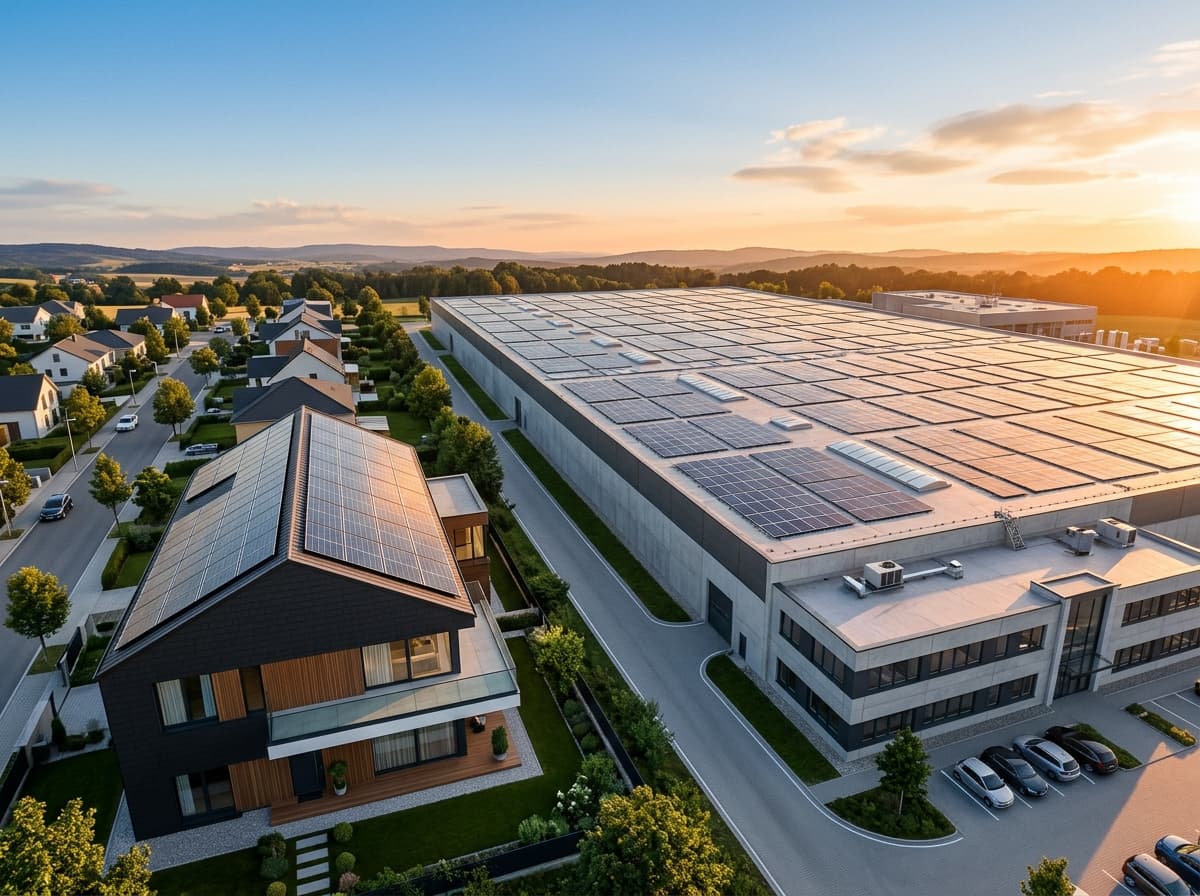
Industrial Solar vs Rooftop Residential: Understanding Key Differences
Industrial solar and residential rooftop installations serve fundamentally different scales. Learn about system engineering, high-voltage HT connectivity, net metering, and financial payback.
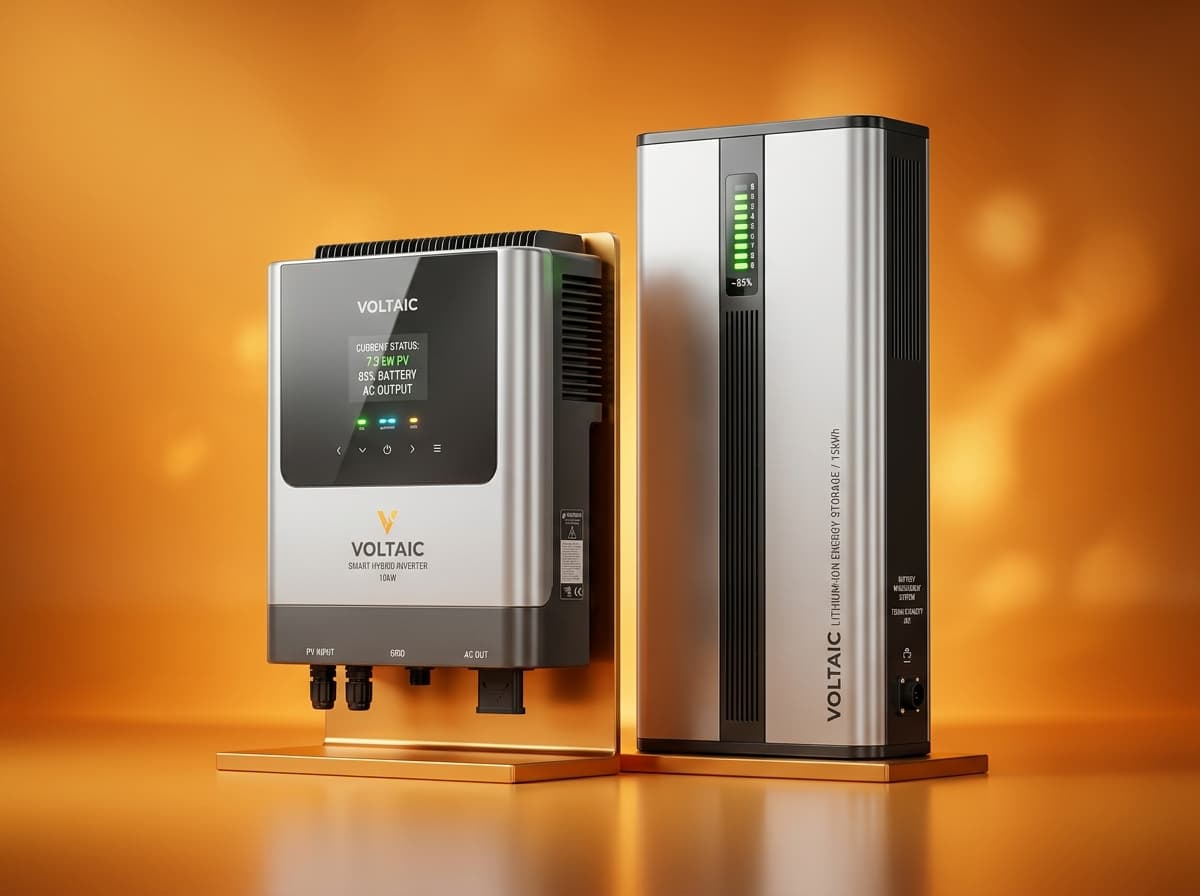
How to Choose the Right Solar EPC Manufacturer and Supplier for Bulk Installations
Choosing the right solar EPC partner and Tier-1 component supplier is essential for consistent energy yield, high uptime, and dependable 25-year warranty support.
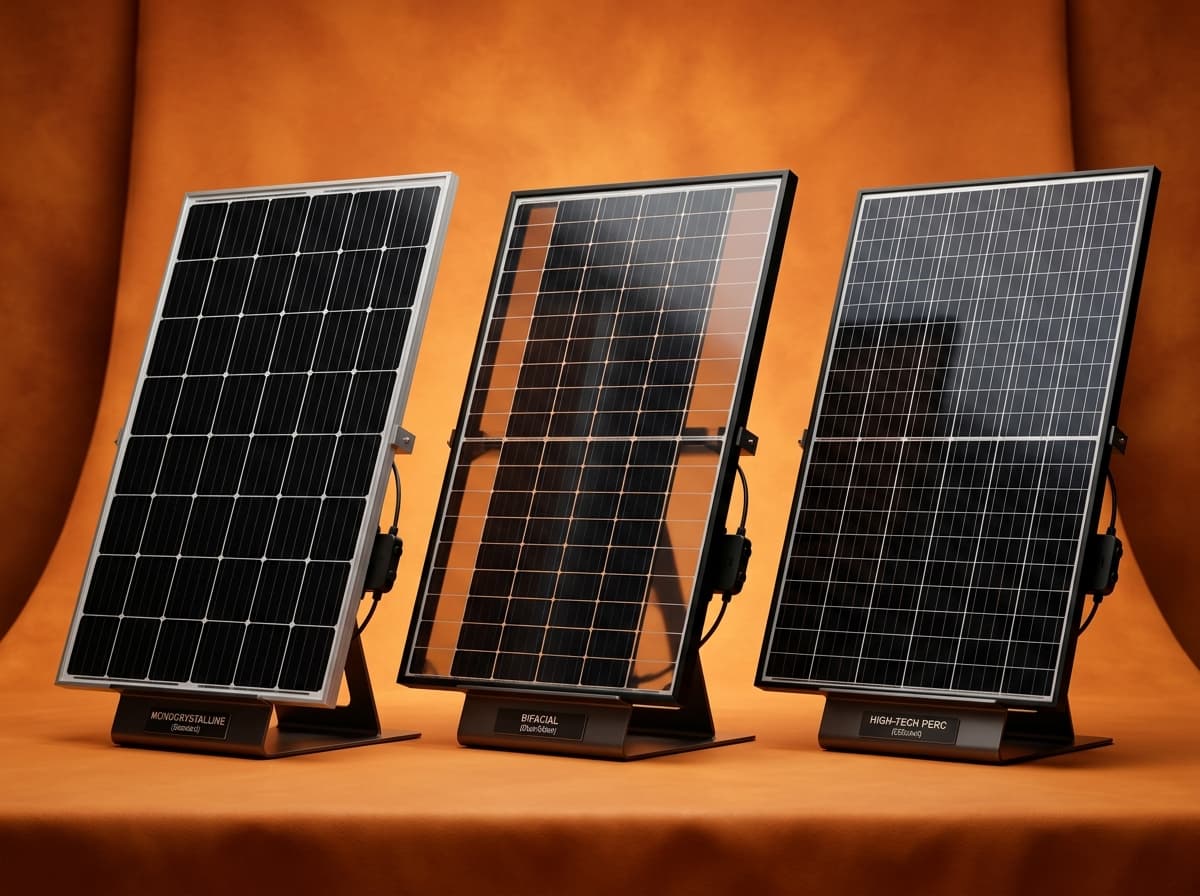
Different Types of Solar: A Complete Guide to Modern Photovoltaic Solutions
Learn about modern high-efficiency solar panel technologies, including Monocrystalline PERC, Bifacial dual-glass, and TopCon cells, their efficiency ratings, and optimal use cases.